Expert Tips to understanding fair trade certification
Explore the Universe of Fair Trade Tea: Superior Brews That Advance Sustainable Practices
Fair Trade tea exemplifies a balanced marriage of merit and ethics. Each cup offers a helpful resource unique flavor profile while fostering ethical agricultural methods. This avenue not only betters the tea moment but also raises marginalized farmers. Acknowledging its heritage and accreditation systems unearths additional significance of importance. As consumers become more thoughtful about their options, the consequence of Fair Trade tea moves further than flavor profile. What supports the veneer of these determinations?
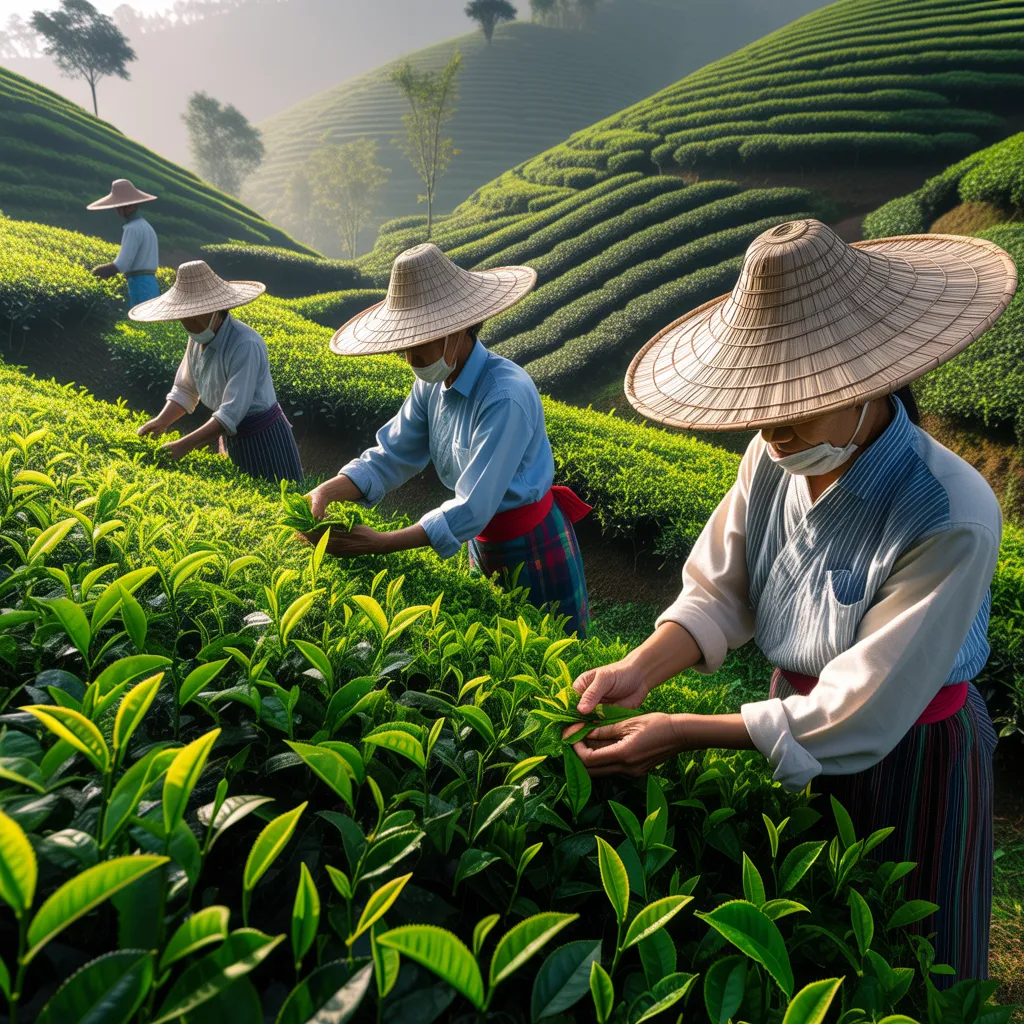
Discover the Origins of Fair Trade Tea
Fair Trade tea is rooted in the social and economic efforts intended to strengthen the wellbeing of marginalized farmers. Surfacing in the waning years of the 1900s, this scheme sought to correct imbalances in global trade, chiefly in developing countries where tea is often cultivated. The movement gained traction as patrons became increasingly mindful of the harsh truths confronted by small-scale farmers, including unjust pricing and exploitation by major conglomerates.
Through collaborative frameworks, Fair Trade intended to empower these farmers, ensuring they obtained fair compensation and support for eco-friendly agricultural methods. The movement also focused on promoting ecological stewardship, promoting organic farming and biodiversity. As knowledge increased, Fair Trade tea functioned as a symbol of ethical consumption, connecting consumers directly with the origins of their beverages. By selecting Fair Trade tea, individuals add to a larger goal of social justice and economic equity, building a more sustainable future for tea-growing communities.
Comprehend ethical commerce for green operations
Grasping Fair Trade certification is critical to recognizing how sustainable practices are sustained within the tea industry. This certification pledges that producers receive fair wages and work under safe conditions, which directly aids community development. Fair Trade standards support environmentally sustainable farming methods, reducing the use of harmful chemicals and encouraging biodiversity.
Certification also promotes transparency in the distribution network, allowing customers to trace their tea back to its origin. By following these guidelines, farms undertake practices that safeguard natural resources and sustain local environments. Additionally, Fair Trade organizations often provide learning materials and training to agricultural producers, empowering them to improve their farming techniques and economic stability.
Ultimately, Fair Trade certification not only improves the quality of tea but also aligns purchasing decisions with moral and eco-friendly values, making it an crucial aspect of the tea industry's commitment to social responsibility and environmental stewardship.
Discover Best Varieties of Fair Trade Tea
While many tea connoisseurs value the intense notes and scents of assorted teas, discovering the top kinds of Fair Trade tea unveils a more substantial pledge to ethical sourcing and sustainability. Some popular options feature Fair Trade Assam, praised for its assertive, grain-like flavor, and Fair Trade Darjeeling, often referred to as the "Champagne of teas" for its gentle aromatic qualities. Another standout variety is Fair Trade Earl Grey, infused with bergamot, supplying a distinctive lemon quality.
Additionally, Fair Trade Green Tea, praised for its stimulating qualities and health benefits, is increasingly favored among health-conscious consumers. Herbal blends, such as Fair Trade Chamomile and Peppermint, also shine, offering soothing and calming effects. Each of these varieties not only delivers exceptional flavor but also supports farmers and communities working for better livelihoods, making them a responsible choice for tea lovers seeking quality and ethical assurance.
Brewing Fair Trade Tea: Tips for a Perfect Cup
To prepare the ultimate cup of Fair Trade tea, attention to detail is essential, as the right methods can enhance the tea's individual notes and aromas. The first step is that water quality is paramount; using clean water provides a clean taste that allows the tea's qualities to shine. Also, the water temperature is vital; particular heat levels are necessary for various tea types; black tea needs boiling water and green and herbal teas require cooler temperatures.
Then, the steeping time should be precisely maintained. Oversteeping can produce a bitter flavor, while brief steeping may not release the entire flavor range. A general guideline is 3-5 minutes for black tea and 2-3 minutes for green tea.
In conclusion, getting the correct tea-to-water ratio enhances the taste profile; one teaspoon of loose tea per cup is a fine starting point. By heeding these pieces of advice, tea devotees can truly enjoy the rich offerings of Fair Trade tea.
Green Benefits of Sustainable Tea
Brewing Fair Trade tea not only enhances the tea experience but also supports sustainable agricultural practices that advantage the environment. Fair Trade accreditation encourages farmers to use natural cultivation techniques, which reduce the dependence on damaging chemicals and synthetic inputs. This approach fosters species diversity, aiding in the protection of local ecosystems and safeguard wildlife habitats.
Moreover, Fair Trade strategies often underscore soil health and water management, ensuring that tea cultivation does not exhaust essential resources. By supporting small-scale farmers, Fair Trade also promotes agroforestry, which integrates tea cultivation with other crops and trees, further enhancing environmental resilience.
Additionally, Fair Trade tea frequently contains environmentally responsible wrapping and delivery systems, lowering the greenhouse gas emissions connected to its delivery. In summary, selecting Fair Trade tea represents a conscious effort to advance a more sustainable agricultural system that respects both the Earth and its inhabitants.

The Impact of Your Tea Choice in Empowering Worldwide Communities
Selecting Fair Trade tea strengthens global communities by providing growers with fair wages and improved labor standards. This dedication ensures that tea growers can sustain their incomes while investing in their families and local economies. By purchasing Fair Trade tea, consumers add to the growth of essential community services, such as schooling and medical services.
Fair Trade certification encourages responsible conduct, demanding companies to adhere to guidelines that prioritize employee protections and environmental sustainability. As a consequence, farmers are incentivized to cultivate premium tea, which not only improves their earnings but also creates satisfaction in their work.
Additionally, the direct trade partnerships formed through Fair Trade eradicate predatory middlemen, allowing farmers to interact with buyers worldwide. This clarity nurtures trust and inspires a global appreciation for the cultural relevance of tea. Ultimately, each cup of Fair Trade tea serves as a testament of the constructive influence individuals can have on international societies through deliberate shopping.
Regularly Asked Questions
What Strategies Should I Use to Determine Fair Trade Tea Goods Available in Stores?
To find responsibly sourced tea brands in stores, one should check for certification labels, such as Fair Trade Certified or Rainforest Alliance. Additionally, examining companies dedicated to ethical sourcing can assist in choosing wisely.
What Health Benefits Are Linked to Fair Trade Tea?
Fair trade tea can deliver multiple wellness benefits, such as heart-healthy antioxidants, enhanced digestive wellness, and improved mental focus. Moreover, responsible sourcing practices encourage eco-friendly farming, ultimately fostering a more vibrant environment and stronger community health.
Do I Locate Fair Trade Tea Available in Digital Shopping Platforms?
Yes, justly traded tea is widely available in web-based stores. Numerous retailers deliver a variety of brands and blends, ensuring consumers can easily access morally sound products that copyright both sustainability and just compensation practices.
What Effect Does Fair Trade Tea Have on Regional Economies?
Fair trade tea positively impacts local economies by ensuring farmers receive equitable pay, fostering community development, and encouraging sustainable farming practices. This backing uplifts living conditions, fosters economic security, and strengthens communities to invest in education and healthcare.
How Can I Keep Fair Trade Tea to Guarantee Peak Freshness?
To enhance quality, fair trade tea should be placed in an sealed jar, protected from strong odors, moisture, and light. Maintaining it in a cool, dark place helps preserve its aroma and flavor over time.